
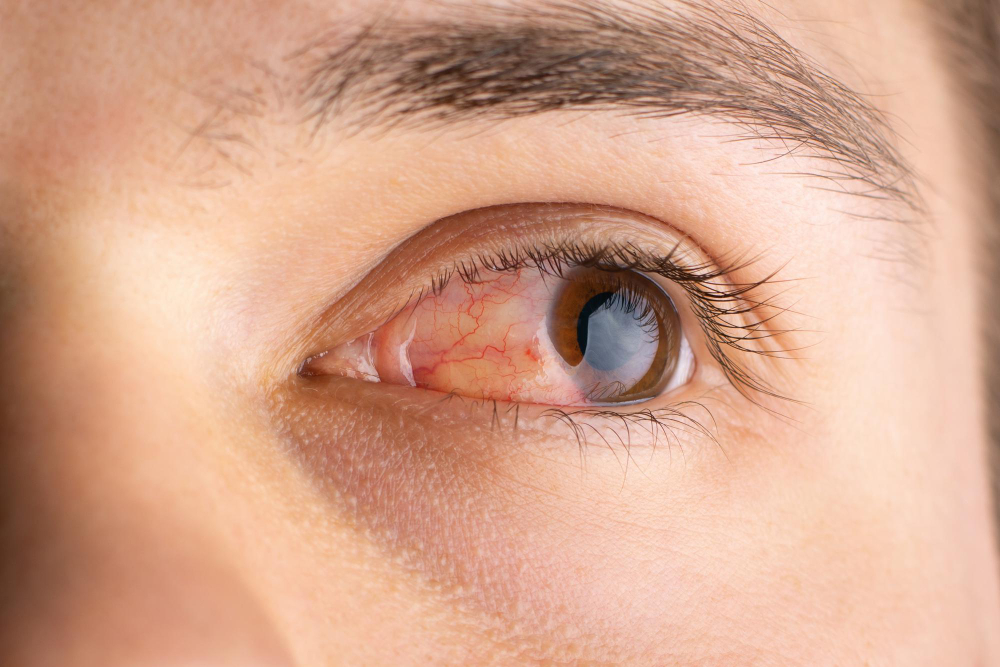
What Is a Corneal Infection?
A corneal infection happens when germs invade the clear front part of your eye, called the cornea. This part helps you see clearly. However, when it gets infected, your vision and eye health are at risk. According to the Centers for Disease Control and Prevention (CDC), corneal infections can cause pain, redness, and even vision loss if not treated quickly. For this reason, knowing the signs of a corneal infection is important.
Common Causes of Corneal Infection
Many things can lead to a corneal infection. Sometimes, small injuries or contact lens use can let germs enter the eye. But other causes are also possible. For example, certain eye diseases or a weak immune system can raise your risk. Here are some common causes:
Because these causes are common, it is important to practice good eye care every day.
Key Signs and Symptoms to Watch For
Early signs of a corneal infection can be easy to miss. Still, quick action can protect your vision. Watch for these eye infection symptoms:
Sometimes, you may notice a white spot on the cornea. This can be a corneal ulcer warning sign. If you have any of these symptoms, seek medical help right away. Quick care can prevent serious problems.
How Corneal Infections Are Diagnosed
Doctors use several steps to diagnose a corneal infection. First, they will ask about your symptoms and eye care habits. Next, they will examine your eyes with a special light. In some cases, they may take a tiny sample from your eye to find the cause. According to the World Health Organization (WHO), early diagnosis helps prevent vision loss. Because of this, do not wait if you notice warning signs.
Treatment Options for Corneal Infection
Treatment for eye infection depends on the cause. Most often, doctors use antibiotic or antifungal eye drops. Sometimes, you may need oral medicine or special ointments. In rare cases, surgery may be needed if the infection is severe. Here are common treatment options:
Because fast treatment is key, look for corneal infection treatment near you if symptoms appear. Always follow your doctor’s advice for the best results.
Tips to Prevent Corneal Infections
Good habits can lower your risk of corneal infection. For example, always wash your hands before touching your eyes. Here are more tips on how to prevent corneal infection:
Because prevention is easier than treatment, these steps can help you keep your eyes healthy and safe.
Conclusion
If you notice any signs of a corneal infection, do not wait. Book an appointment at Geetha Eye Hospital today for expert care and protect your vision.