
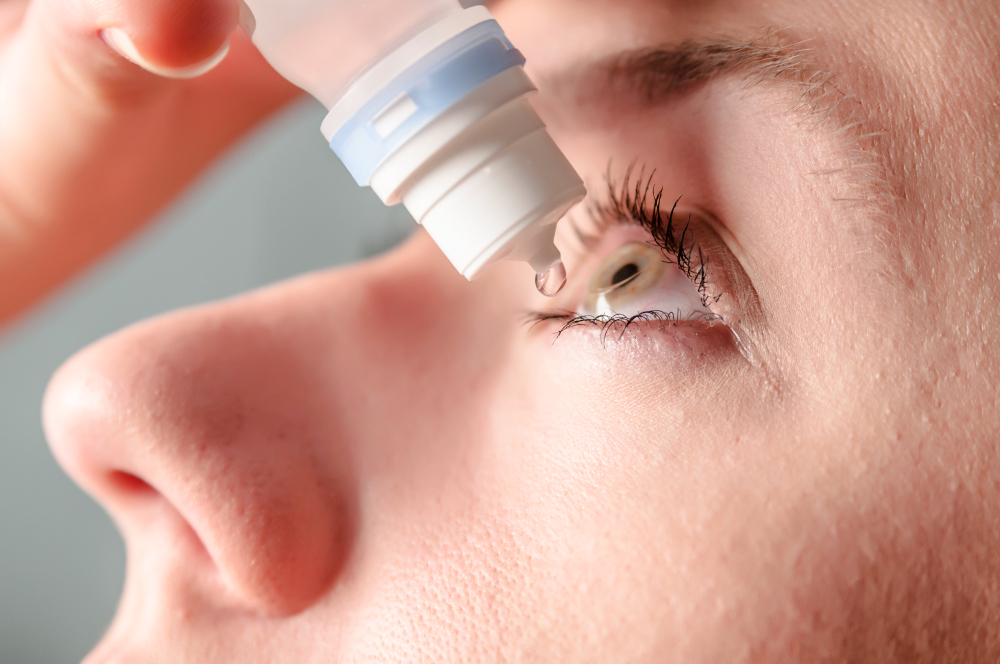
Introduction: What Are Artificial Tears?
Artificial tears are special eye drops made to add moisture to your eyes. Many people use artificial tears to help with dry or irritated eyes. These lubricating eye drops work by copying your natural tears. As a result, they help keep your eyes comfortable and healthy. According to the World Health Organization (WHO), dry eyes are a common problem worldwide. Artificial tears offer simple dry eye relief for many people.
Common Uses of Artificial Tears
People use artificial tears for many reasons. For example, they can help if your eyes feel dry, gritty, or tired. Often, these drops are used to:
In addition, artificial tears can be used as part of a daily eye care routine.
Key Benefits for Eye Health
Artificial tears offer several important benefits for your eyes. First, they help keep the surface of your eyes moist. This can prevent damage and reduce discomfort. Also, they wash away dust and small particles. Here are some key benefits:
Because artificial tears are easy to use, many people find them helpful for everyday eye health.
How to Choose the Right Artificial Tears
Choosing the best artificial tears for dry eyes depends on your needs. There are many types and brands available. However, not all are the same. Here are some tips to help you decide:
For best results, talk to an eye care specialist before starting a new product.
Proper Usage and Safety Tips
Using artificial tears safely is important. Here are some simple steps to follow:
Additionally, do not share your eye drops with others. If you use more than one type of eye drop, wait at least five minutes between each one. This helps each drop work better.
Potential Side Effects and When to Consult a doctor
Most people use artificial tears without problems. However, some may notice mild side effects. For example, you might feel a brief stinging or blurry vision right after using the drops. Usually, these effects go away quickly. But you should watch for:
If you notice any of these problems, stop using the drops and contact your doctor. According to the Centers for Disease Control and Prevention (CDC), you should always seek medical help if you have sudden vision loss or eye injury.
Frequently Asked Questions About Artificial Tears
Conclusion
Artificial tears are a simple way to keep your eyes comfortable and healthy. They offer quick relief for dry or irritated eyes. However, choosing the right product and using it safely is important.If you have ongoing eye problems or questions, consult an eye care specialist for personalized advice on artificial tears at Geetha Eye Hospital.