
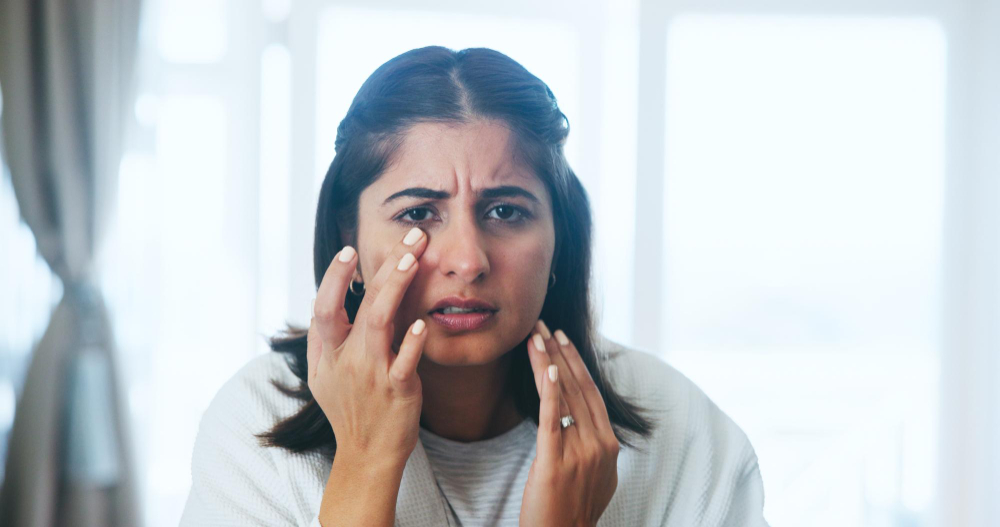
What Is Blepharitis?
Blepharitis is a common eye condition. It causes your eyelids to become red, itchy, and sometimes swollen. Often, people notice crusty flakes at the base of their eyelashes. Because blepharitis can be stubborn, it may come and go over time. Many people search for answers about blepharitis symptoms and how to prevent blepharitis flare-ups. Understanding this condition can help you find relief and keep your eyes healthy.
Common Symptoms of Blepharitis
Blepharitis can cause several bothersome symptoms. For example, you might feel discomfort or irritation around your eyes. Below are some of the most common signs:
Because these symptoms can look like other eye problems, it is important to get the right diagnosis.
Causes of Itchy and Crusty Eyelids
Several factors can lead to blepharitis. For instance, bacteria that live on the skin can build up along the eyelid edges. In addition, clogged oil glands in the eyelids can make things worse. Here are some common causes of itchy eyelids and crusty eyelids:
Sometimes, more than one cause can be present at the same time. Because of this, treatment may need to address several issues.
How Blepharitis Is Diagnosed
Eye doctors can usually diagnose blepharitis during an eye exam. First, they will ask about your symptoms. Next, they will look closely at your eyelids and lashes using a special light. Sometimes, they may gently scrape a few flakes from your eyelids to check for bacteria or mites. Because other eye problems can look similar, a careful exam helps rule out other causes.
Treatment Options for Blepharitis
There are several ways to treat blepharitis and get relief from itchy and crusty eyelids. Your doctor may suggest:
Because blepharitis can return, regular eyelid care is important. If you need blepharitis treatment near you, an eye doctor can help create a plan that fits your needs.
Home Care and Lifestyle Tips
With the right habits, you can manage blepharitis at home. For example, daily eyelid cleaning is key. Here are some helpful tips:
Because good hygiene helps control symptoms, sticking to these steps can make a big difference.
Preventing Blepharitis Flare-Ups
Although blepharitis can be stubborn, you can take steps to prevent flare-ups. For instance, keeping your eyelids clean is very important. Try these prevention tips:
Because regular care can lower your risk, these habits help keep your eyelids healthy and comfortable.