
What is Diabetic Retinopathy?
Diabetic retinopathy is a common diabetic eye disease. It happens when high blood sugar damages the tiny blood vessels in the back of the eye, called the retina. The retina helps you see by sending signals to your brain. When these blood vessels are harmed, vision problems can develop. According to the CDC, diabetic retinopathy is a leading cause of vision loss in adults. Early stages may not cause symptoms, so regular eye exams for diabetes are very important.
Symptoms of Diabetic Retinopathy
At first, you may not notice any changes in your vision. However, as the disease gets worse, you might see signs such as:
Because symptoms can be mild or absent early on, regular eye check-ups help catch problems before they get serious.
Causes and Risk Factors
Diabetic retinopathy is caused by high blood sugar over time. This damages the blood vessels in the retina. Yet, not everyone with diabetes will get this eye disease. Several risk factors can increase your chances:
For example, people who keep their blood sugar in a healthy range have a lower risk. The World Health Organization notes that controlling these factors can help prevent vision loss from diabetes.
How Diabetic Retinopathy is Diagnosed
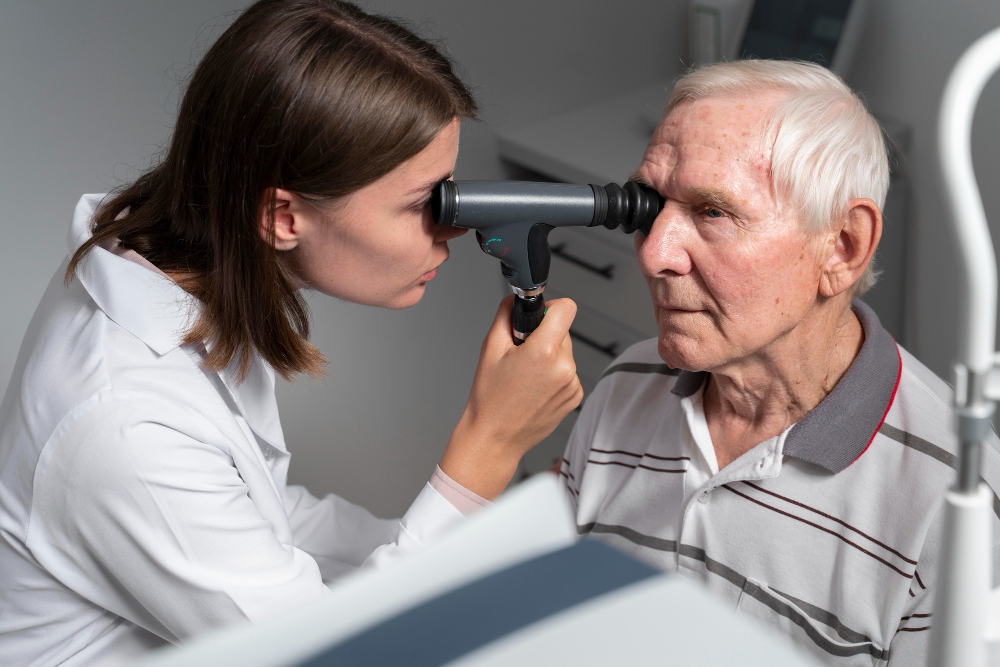
Doctors use special eye exams for diabetes to find diabetic retinopathy. During the exam, your eye doctor will:
Sometimes, more tests are done to check for swelling or new blood vessels. Early diagnosis is key to preventing vision loss from diabetes. The American Diabetes Association recommends yearly eye exams for all people with diabetes.
Importance of Regular Eye Check-ups for People with Diabetes
Regular eye check-ups are vital for anyone with diabetes. Even if you see well, damage can happen without pain or warning. With early detection, your doctor can treat problems before they get worse. In many cases, regular exams help prevent permanent vision loss. For instance, the CDC states that up to 90% of vision loss from diabetes is preventable with early care. Therefore, make eye exams a routine part of your diabetes care.
Prevention and Lifestyle Tips
While you cannot always stop diabetic retinopathy, you can lower your risk. Here are some helpful tips:
Additionally, managing stress and getting enough sleep can help your overall health. These steps work together to protect your eyes and prevent diabetic eye disease.
Treatment Options
If you have diabetic retinopathy, several treatments can help. The choice depends on how severe the disease is. Some common treatments include:
In many cases, treatment can slow or stop vision loss. However, regular eye check-ups are still needed, even after treatment. Early care gives you the best chance to keep your sight.