
What Is Eye Muscle Trauma and Misalignment?
Eye muscle trauma happens when the muscles that move your eyes get injured. Sometimes, this injury leads to misalignment. Misalignment means the eyes do not move together as they should. As a result, one eye may point in a different direction. This can cause double vision or trouble focusing. Early intervention for eye muscle trauma and misalignment is very important. Quick action can help prevent long-term vision problems and improve recovery.
Common Causes and Risk Factors
Many things can cause eye muscle trauma and misalignment. For example, accidents or sports injuries may harm the eye muscles. Sometimes, surgery near the eyes can also affect these muscles. Infections or swelling around the eyes are other possible causes. Some people are more at risk than others. Children, athletes, and people with certain health conditions may have a higher chance of injury. Knowing the causes and risk factors helps you stay alert and protect your eyes.
Recognizing Symptoms Early
It is important to notice symptoms of eye muscle trauma and misalignment early. Early signs can help you get the right care quickly. For instance, you may see double or blurry vision. Sometimes, one eye may look different or move oddly. Children may tilt their heads or cover one eye to see better. In some cases, you may feel pain or swelling around the eye. If you notice any of these signs, act fast. Early detection can make a big difference.
Diagnosis: What to Expect
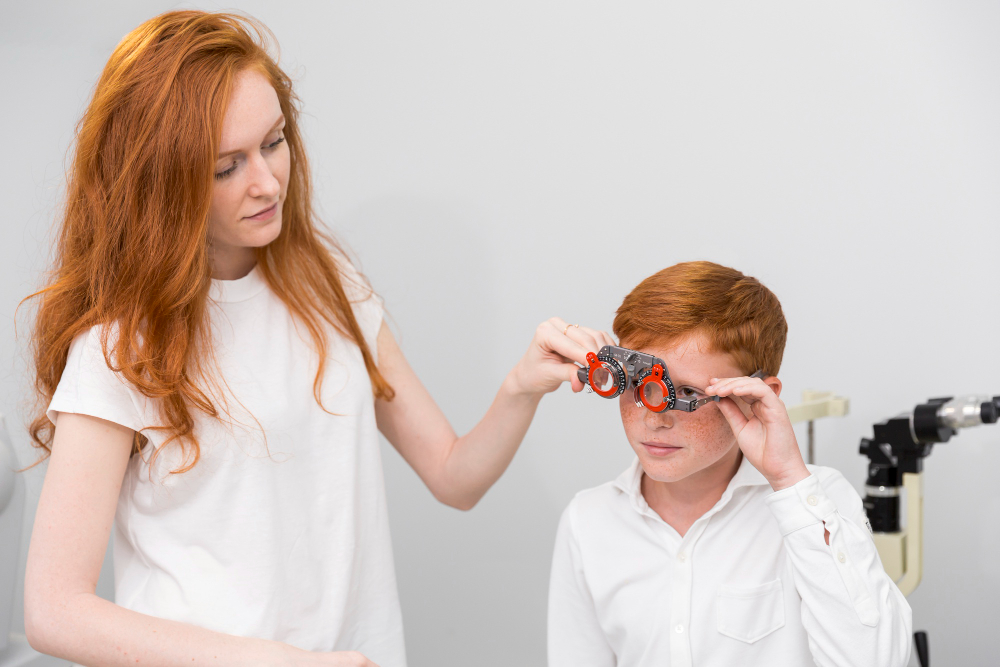
If you suspect eye muscle trauma or misalignment, see an eye specialist soon. The doctor will ask about your symptoms and any recent injuries. Next, they will check how your eyes move and work together. Sometimes, special tests or scans are needed. For example, the doctor may use lights or charts to check your vision. In some cases, imaging tests like CT or MRI scans help find hidden injuries. Early diagnosis helps guide the best treatment plan.
Treatment Options and Early Intervention
Early intervention is key for eye muscle trauma and misalignment. The right treatment depends on the cause and how severe the injury is. Sometimes, rest and eye patches help the muscles heal. In other cases, special glasses or prisms may improve vision. For more serious injuries, surgery might be needed to fix the muscles. Physical therapy for the eyes, called vision therapy, can also help. Acting early often leads to better results and fewer long-term problems.
Prevention and Lifestyle Tips
While not all injuries can be avoided, you can lower your risk. For instance, always wear protective eyewear during sports or risky activities. Teach children to be careful with sharp objects. If you have a health condition that affects your eyes, follow your doctor’s advice. Regular eye check-ups can catch problems early. By taking these steps, you help keep your eyes safe and healthy.
When to See an Eye Specialist
Do not wait if you notice symptoms of eye muscle trauma or misalignment. See an eye specialist right away if you have double vision, pain, or trouble moving your eyes. Early care can prevent lasting problems. Even mild symptoms should be checked, especially after an injury. Remember, quick action gives you the best chance for a full recovery.
Conclusion
In summary, eye muscle trauma and misalignment can affect anyone. Early intervention is crucial as it helps protect your vision and speeds up recovery. If you notice any symptoms, consult an eye specialist promptly for personalised care.
Your eyes are important — take action to keep them healthy. For expert care, consult the specialists at Geetha Eye Hospital for a comprehensive evaluation and treatment.