
Introduction
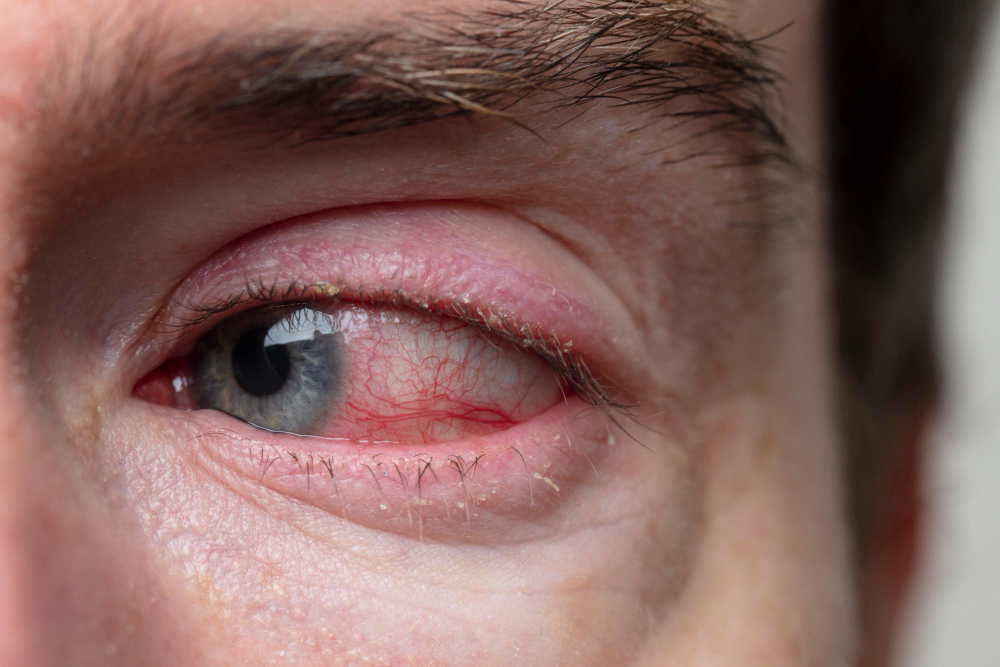
Lacrimal gland disorders affect the small glands above each eye that make tears. These glands are important because they keep your eyes moist and healthy. When the lacrimal glands do not work well, you may have dry eyes, swelling, or pain. Early care is important for eye comfort and vision. Many people search for help with tear gland problems or dry eye causes. Understanding these disorders can help you know when to seek ophthalmology care.
Symptoms
Symptoms of lacrimal gland disorders can vary. However, some signs are more common. If you notice these, it may be time to see an eye doctor:
Sometimes, symptoms may be mild. But if they get worse, prompt care is needed.
Causes and Risk Factors
There are several causes of lacrimal gland disorders. Some are more common than others. For example, infections can cause swelling and pain. Autoimmune diseases, like Sjögren’s syndrome, may also affect the glands. In rare cases, tumors or injuries can lead to problems.
Risk factors include:
Because these causes can overlap, it is important to get a proper diagnosis.
Diagnosis
Doctors use several steps to diagnose lacrimal gland disorders. First, they ask about your symptoms and medical history. Next, they examine your eyes closely. Sometimes, special tests are needed. For example, they may use imaging scans to look at the glands. Blood tests can help find autoimmune causes. In some cases, a small tissue sample (biopsy) may be taken for further study.
Early diagnosis helps prevent long-term eye problems. Therefore, do not delay if you notice changes in your eyes.
Treatment Options
Treatment depends on the cause of the lacrimal gland disorder. Your eye specialist will suggest the best plan. Common treatments include:
Most people feel better with the right care. However, follow your doctor’s advice for the best results.
Prevention and Lifestyle Tips
While not all lacrimal gland disorders can be prevented, some steps may help. For instance, you can protect your eyes and keep them healthy by:
These habits can lower your risk of tear gland problems and dry eye causes.
When to See an Eye Specialist
It is important to know when to seek help. If you have ongoing eye swelling, pain, or changes in vision, see an eye specialist soon. Early care can prevent serious problems. Moreover, if you have a history of autoimmune disease or recent eye injury, do not wait to get checked. Find an eye specialist near you for expert ophthalmology care.
If you notice symptoms of lacrimal gland disorders, consult an eye specialist at Geetha Eye Hospital for personalized advice. Early treatment can protect your vision and comfort.