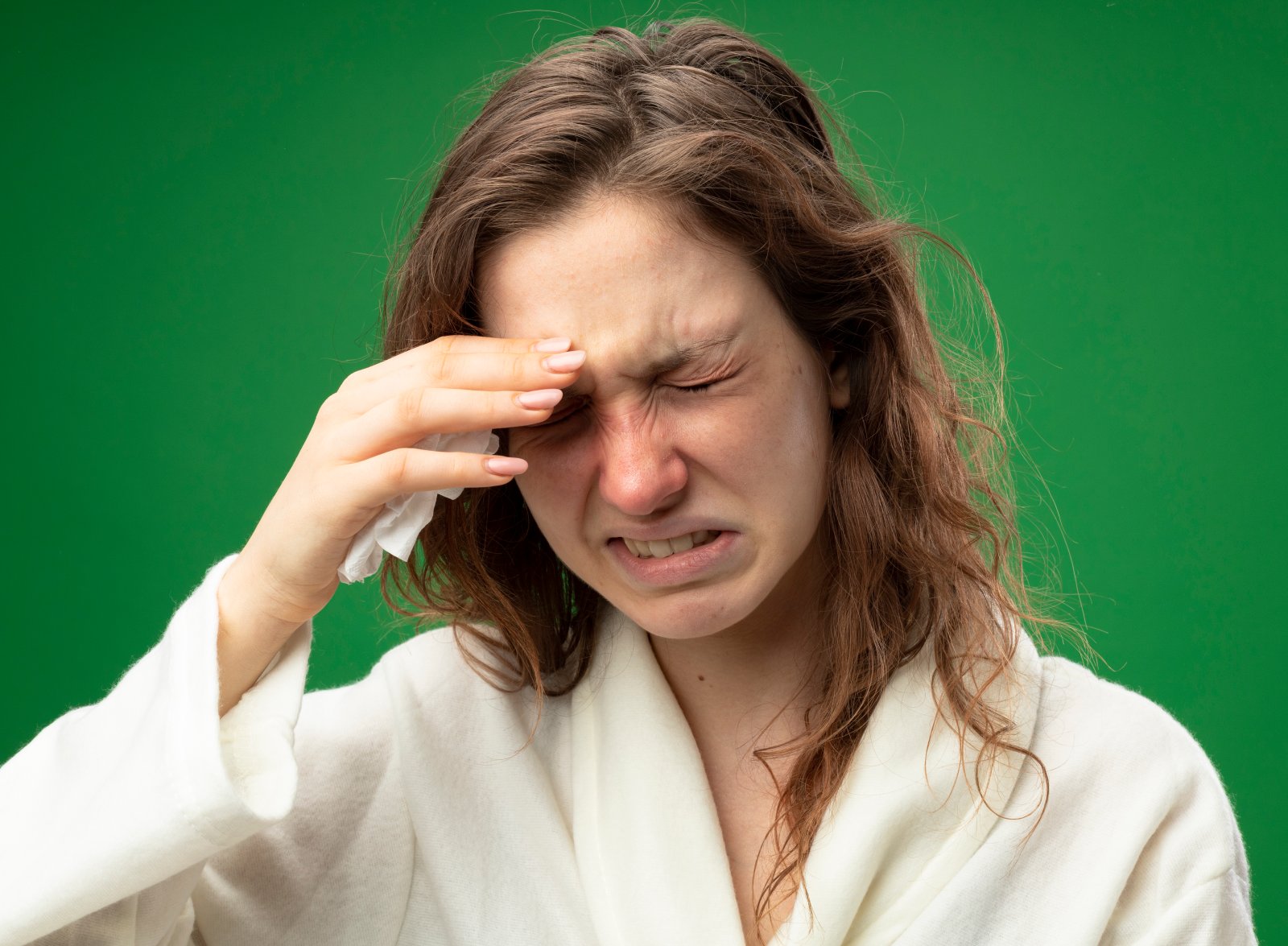
Allergic reactions in eyes can cause discomfort and affect your daily life. Recognizing allergic reactions in eyes early helps you manage symptoms and avoid complications. Eye allergies happen when your eyes react to substances like pollen, dust, or pet dander. Because symptoms can look like other eye problems, it is important to know what to watch for. Early recognition allows you to take steps to feel better and protect your vision.
Common Symptoms of Allergic Reactions in Eyes
Eye allergy symptoms can appear quickly after contact with an allergen. However, not everyone will have the same signs. Look for these common symptoms:
Sometimes, these symptoms may affect one or both eyes. If you notice these signs, you may be experiencing an allergic reaction.
Causes and Triggers of Eye Allergies
Many things can cause eye allergies. For example, common allergens include:
Additionally, changes in weather or spending time outdoors can increase your risk. Some people may react to contact lenses or cleaning solutions. Knowing your triggers helps you avoid future reactions.
How to Recognize Allergic Reactions in Eyes
It is important to know how to identify eye allergies. Here are some tips to help you:
However, some eye problems, like infections, can look similar. If you have pain, thick yellow discharge, or vision changes, it may not be an allergy. In that case, seek medical advice.
When to Seek Medical Help
Sometimes, eye allergies can become serious. You should see a doctor if you notice:
Early treatment can prevent problems. If you are unsure, it is always safer to ask a healthcare provider.
Prevention and Self-Care Tips
There are steps you can take to reduce your risk and manage mild symptoms. For example:
If symptoms continue, talk to your doctor about other treatments.
Reliable Sources and Further Reading
For more information on recognizing allergic reactions in eyes, visit these trusted sources:
These resources offer up-to-date and reliable information.
Conclusion and Call-to-Action
Recognizing allergic reactions in eyes is important for your comfort and eye health. If you notice symptoms, try self-care tips and avoid triggers. If eye allergy symptoms are severe or do not improve, consult the specialists at Geetha Eye Hospital for personalized evaluation and care. Early attention can help protect your vision and overall eye health.