
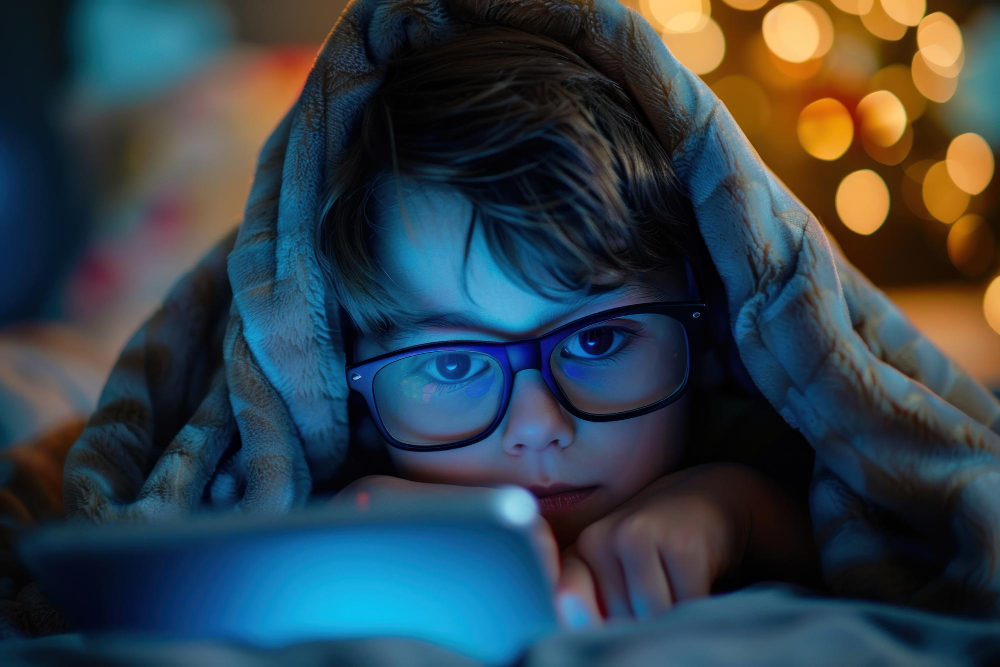
Today, many parents worry about screen time and children’s vision. Kids use screens for school, games, and fun. However, too much screen time may harm growing eyes. Because of this, it is important to know how to protect children’s eyesight. In cities like New York, Los Angeles, and Chicago, screen use is rising. Let’s explore how screens affect young eyes and what you can do to help.
What Is Screen Time?
Screen time means the total time spent using devices with screens. For example, this includes tablets, smartphones, computers, and TVs. Children use screens for learning, playing, and talking with friends. But, the type and length of screen use matter. The World Health Organization suggests limiting screen time for young children. Because screens are everywhere, it is hard to avoid them. Still, safe screen time for children is possible with good habits.
How Screen Time Affects Children’s Vision
Screen time can affect children’s vision in many ways. For instance, staring at screens for hours may cause digital eye strain in kids. This can lead to tired eyes, headaches, and trouble focusing. Also, children may blink less while using screens, which can dry out their eyes. Over time, too much screen use may even increase the risk of nearsightedness. Since children’s eyes are still growing, they are more sensitive to these changes. Therefore, it is important to watch for signs of eye problems.
Common Symptoms of Vision Problems in Children
Sometimes, children do not notice or share their vision problems. However, parents can look for these common symptoms:
If you notice these signs, it may be time for an eye checkup. Early care can help protect children’s eyesight.
Causes: Why Screens Impact Growing Eyes
There are several reasons why screens can affect growing eyes. First, screens give off blue light, which may cause eye strain. Also, children often hold devices too close, making their eyes work harder. Because their eyes are still developing, they are more at risk. In addition, long periods without breaks can make symptoms worse. According to the American Academy of Pediatrics, children need regular breaks from screens. This helps relax their eyes and prevent problems.
Diagnosis: Identifying Vision Issues Linked to Screen Use
Doctors use simple tests to check for vision problems in children. For example, they may ask about screen habits and symptoms. They will also check how well your child sees at different distances. Sometimes, special tools help measure eye focus and movement. If needed, the doctor may suggest more tests. Early diagnosis is key for treating digital eye strain in kids. Regular eye exams help catch problems before they get worse.
Treatment and Management Strategies
There are many ways to treat vision problems caused by screen time. First, doctors may suggest using screens less often. They might also recommend special glasses to reduce eye strain. In some cases, eye drops help with dryness. If your child needs glasses, wearing them as directed is important. For ongoing issues, follow-up visits may be needed. With the right care, most children’s vision can improve.
Prevention: Tips to Protect Children’s Eyes from Excessive Screen Time
Preventing vision problems is easier than treating them. Here are some simple tips for protecting children’s eyesight:
These steps can lower the risk of digital eye strain in kids.
Healthy Screen Habits for Families
Building healthy screen habits helps the whole family. For example, set clear rules about when and where screens can be used. Try to have screen-free times, such as during meals or before bed. Also, parents can set a good example by limiting their own screen time. In addition, talk with children about why eye health matters. When families work together, protecting children’s eyesight becomes easier. These habits support safe screen time for children in every home.