What Is Adult Diplopia?
Adult diplopia means seeing two images of one object. Many people call this double vision. Sometimes, it happens in one eye. Other times, it affects both eyes. While it may seem harmless, adult diplopia can signal an underlying health problem. Because of this, it is important to know what causes it and when to seek help.
Common Causes of Adult Diplopia
There are several reasons why adult double vision happens. Some causes are minor, but others need quick medical care. Here are some common adult double vision causes:
Sometimes, double vision is temporary. However, lasting symptoms should not be ignored.
Symptoms to Watch For
Diplopia symptoms in adults can vary. You may notice:
Sometimes, symptoms come and go. But if they last, you should pay attention.
How Is Adult Diplopia Diagnosed?
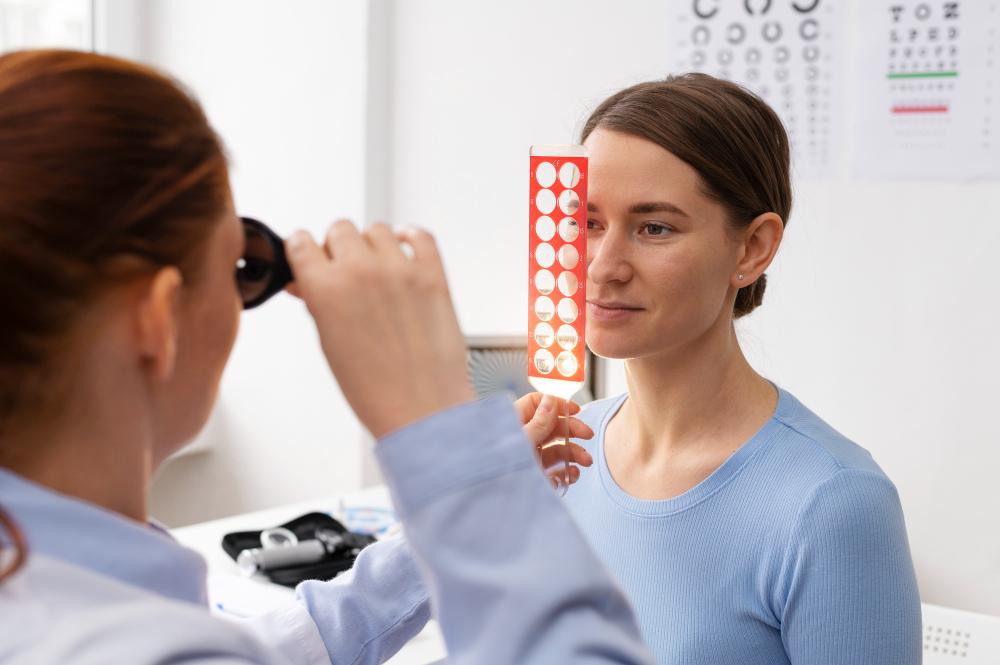
Doctors use several steps to diagnose adult diplopia. First, they ask about your symptoms and health history. Next, they check your eyes and how they move. Sometimes, they use special lights or ask you to follow objects. In some cases, doctors order tests like blood work, CT scans, or MRI scans. These tests help find the cause of your double vision. According to the American Academy of Ophthalmology, early diagnosis can prevent serious problems.
When Should You See a Doctor?
It is important to know when to see a doctor for diplopia. You should seek help if:
In many cities, eye clinics and hospitals offer urgent care for vision problems. If you live in a rural area, try to reach the nearest eye specialist as soon as possible. Quick action can protect your sight and health.
Treatment Options for Adult Diplopia
Treatment depends on the cause of your double vision. After finding the reason, your doctor may suggest:
For some people, treating the main health problem can fix adult diplopia. Your doctor will guide you on the best plan.
Prevention and Lifestyle Tips
ChatGPT said:
While not all cases of eye issues can be prevented, you can lower your risk by following these tips:
- Get regular eye exams, especially if you are over 40
- Control health problems like diabetes and high blood pressure
- Wear safety gear to protect your eyes during sports or work
- Eat a healthy diet rich in fruits and vegetables
- Report any vision changes to your doctor right away
With these steps, you can help keep your eyes healthy and detect problems early.
If you notice double vision or other changes in your eyesight, consult an eye specialist at Geetha Eye Hospital for personalised advice and treatment.